
If you are looking for cheap travel insurance before your trip, you are already on the right path, especially when visiting exotic destinations like the Philippines. Insurance here is a real financial safety net that can protect your budget from unpleasant surprises. That is why Philippines travel insurance in 2026 becomes a basic element of any trip. So, what should you actually expect from it?
Why Travel Insurance is Essential for Tourists in the Philippines
The Philippines is a country of more than 7,000 islands, a tropical climate, and active tourism. But along with its beauty, complex logistics, tropical diseases, typhoons, and expensive medical services for foreigners also appear. That is why travel insurance here acts as a financial safety cushion.
On average, a basic policy costs USD 1.2–3.5 per day, while an extended policy with activity coverage can cost up to USD 5–12 per day. Without it, even simple medical treatment hits your budget harder than the trip itself.

Critical Coverage Areas for Every Philippine Itinerary
Unexpectedly, even a relaxed and well-planned vacation can turn into a logistical, or worse, a medical challenge. That is why Philippines travel insurance should cover not only basic expenses but also all potential risks. Below are the key areas of protection that make a trip significantly more enjoyable for your wallet.
Emergency Medical Expenses and Local Hospitalization
Medical care for tourists here can be pricey. A doctor visit may cost USD 40–120, and a single night in a private clinic can easily take USD 600–2,500. When things get serious, bills can skyrocket to USD 10,000–20,000 or more.
That’s why a solid insurance policy matters. Most decent plans cover USD 50,000–500,000 in medical expenses, including emergencies, surgeries, and infections. Simply put, the medical component is the core of any travel insurance.
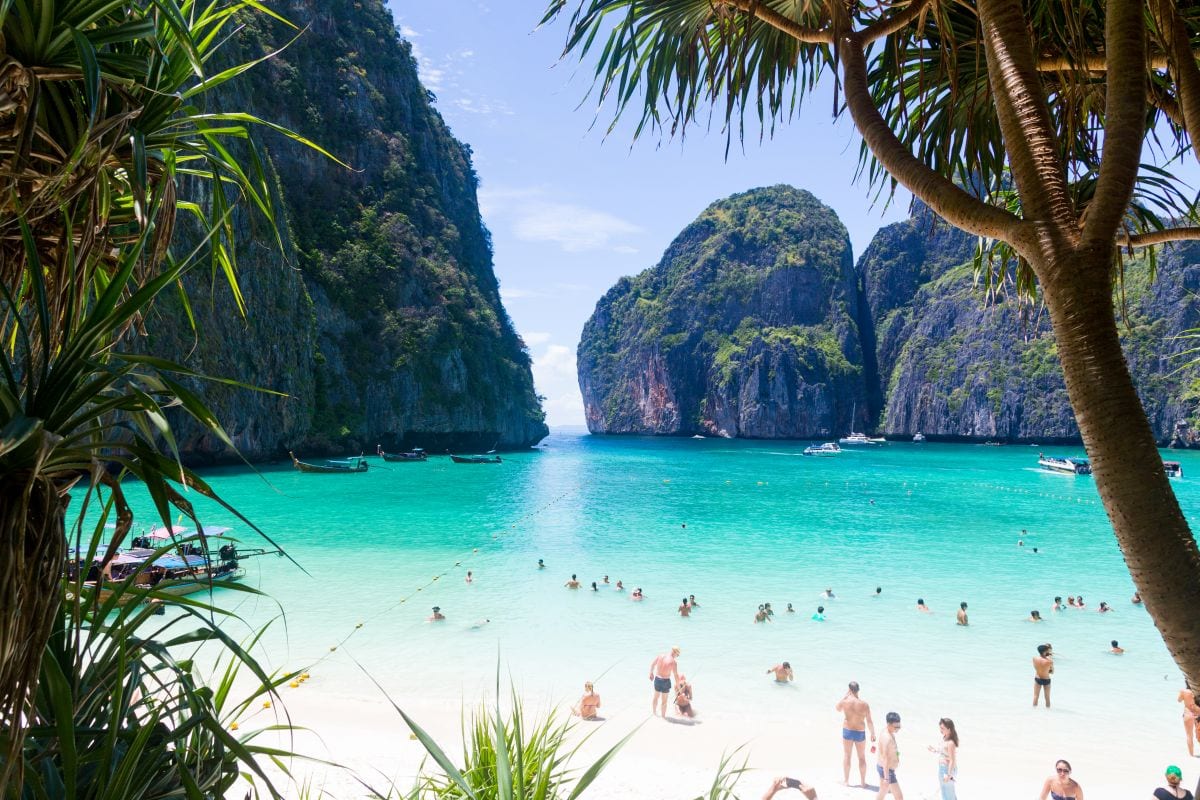
Urgent Medical Evacuation from Remote Islands and Provinces
Remote islands are the most beautiful and dangerous characteristics of the Philippines. If something happens far from major cities, medical evacuation to an urban hospital is often required, as most emergency care is available only there. And this is very expensive.
Average costs:
- Helicopter: USD 3,000–8,000 per hour
- Medical boat: USD 1,500–5,000
Without Philippines travel insurance, all of these costs fall entirely on the traveler. With a good policy, evacuation is usually covered in full or almost in full.
Trip Cancellation and Interruption Due to Unforeseen Events
Weather conditions in the region are unpredictable. Typhoons can literally stop your trip in just one day. Because of this, travel insurance has become critically important.
Average compensation:
- Trip cancellation: up to 2,000–3,500 USD
- Trip interruption: 100–200 USD per day
The usual reasons include storm warnings, illnesses, or flight delays of more than 12–24 hours. And just a reminder, situations where you simply don’t make it because you overslept in the hotel are not compensated.
Specialized Protection for Adventure Seekers
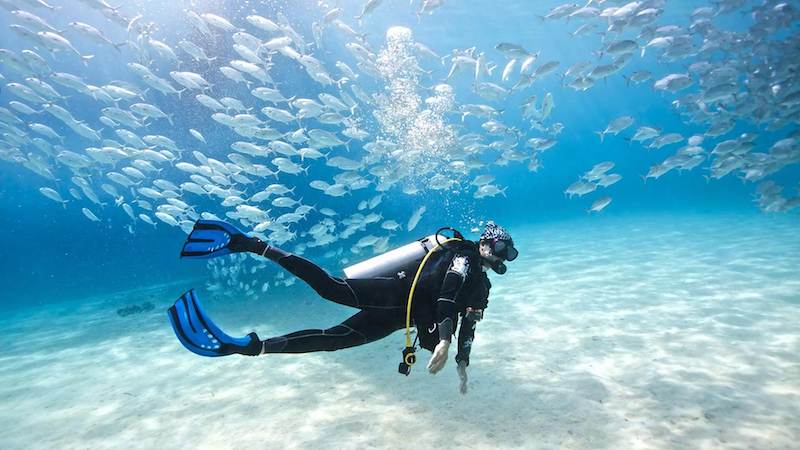
This place is often called a paradise for active recreation: diving, surfing, rock climbing, and island tours. But a standard policy often does not cover extreme sports and other sports activities, so additional options are required.
High-Risk Activities: Scuba Diving, Surfing, and Island Hopping
Diving and surfing are the trendiest on the islands, but also the riskiest ones. If you get injured or experience another emergency while doing sports, a standard policy is useless. For example, treatment for decompression sickness can cost USD 5,000–25,000, so insurance with special high-risk activities coverage is critical in this case.
Coverage for Expensive Gear: Cameras, Drones, and Diving Equipment
Many tourists bring expensive equipment for content creation or even their own diving suit and other gear, anything you can imagine. The risk of losing or damaging a camera or equipment is always high.
If an insurance company does not cover a specific item separately, you can add baggage loss or damage compensation as an option to your travel insurance policy. And then you will be reimbursed at least part of the equipment’s value as standard baggage.
Average compensation limits:
- Camera: up to 500–1,000 USD
- Drone: up to 800 USD
- Equipment: up to 1,000–2,000 USD
- Additional coverage usually costs 10–25 USD
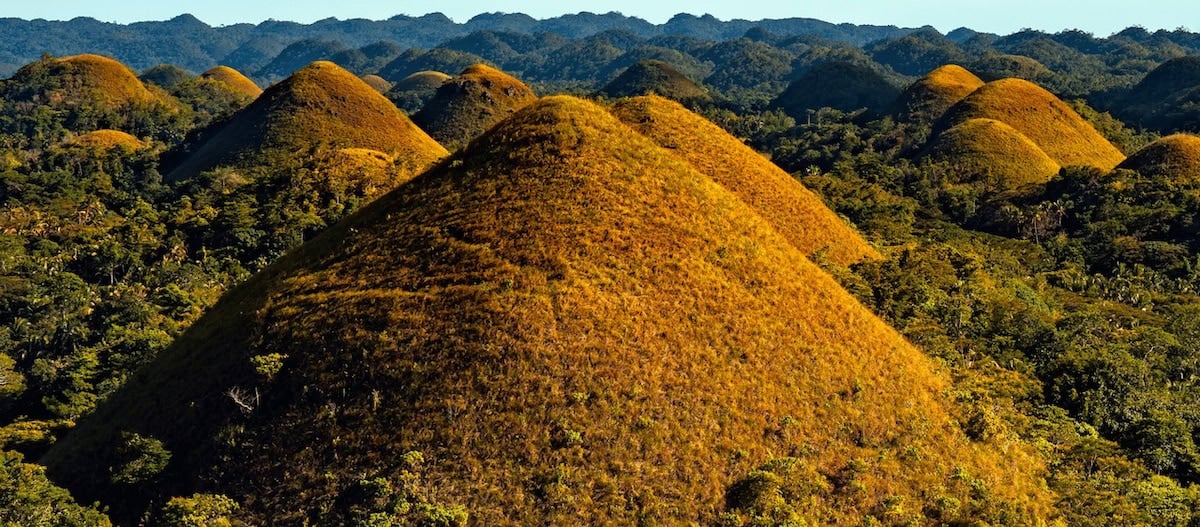
Addressing Risks in Extreme Sports and Outdoor Adventures
Exploring volcanoes or jungles is a common adventure activity, but it’s not without danger. In case of accidents or rescue needs, expenses can become quite high.
Philippines travel insurance may cover:
- Rescue operations: up to 50,000 USD
- Injuries during active recreation
- Emergency medical assistance
Mitigating Environmental and Logistical Risks
Apart from adventures, there are also environmental and transportation risks. These are the ones that most often disrupt travel plans.
Weather-Related Disruptions: Typhoon Season and Tropical Storms
On average, the region gets hit by 18–24 tropical storms a year, which basically means travel plans can go from “beach vibes” to “everything delayed” pretty fast. Flights get pushed back, trips get cancelled, and extra costs start piling up.
Insurance usually steps in and covers:
- Accommodation: up to 100–150 USD per night
- New flight tickets: up to 1,000 USD

Transport Issues: Flight Delays and Ferry Cancellations
Because of the country’s island structure, transport is often unstable. During the rainy season, delays occur in 25–35% of flights. Compensation usually includes 50–300 USD for delays and extra costs for rebooking or hotels
Theft and Loss of Personal Belongings in Tourist Hubs
In big cities, theft or lost luggage can happen, and for tourists in the Philippines, it’s quite a common risk in busy places like markets, terminals, and tourist spots. Insurance usually has you covered for this, either in the main plan or as an add-on.
Average compensation:
- Personal belongings: up to 500–1,000 USD
- Luggage: up to 1,500 USD
How to Choose the Right Policy for Your Trip
The right choice of the Philippines travel insurance depends on your travel style. Here, it’s important not to overpay, but also not to save too much by forgetting to specify your activity type or add the necessary additional options.
Assessing Your Activity Level (Backpacker vs. Luxury Traveler)
Again, it’s all about activities, because they are extremely important. On the islands, you want to try surfing or scuba diving. All medical risks related to these activities are not covered by insurance unless you specifically add an active or extreme sports policy.
- Budget traveler: 1–2 USD/day
- Mid-range traveler: 2–5 USD/day
- Active vacation: 5–12 USD/day
The more activities you include, the more expensive the policy becomes.

Understanding Exclusions and Fine Print in Modern Policies
The most common exclusions from insurance are:
- Alcohol-related injuries
- Extreme activities without coverage options
- Travels without official permits or guides
Check these details before buying, so you don’t end up with unexpected problems and disappointed expectations later on.
Checking Coverage Limits for Repatriation and Medical Care
Repatriation is one of the most expensive services. The average cost ranges from 10,000 to 40,000 USD. That’s why the minimum coverage of a policy should be at least 100,000 USD, and ideally even higher.

Conclusion
Traveling to the Philippines is all about stunning views, island hopping, and spontaneous adventure, but also a bit of chaos you can’t always predict. You might think saving on insurance is smart, but even a cheap policy can save you from bills that go way beyond your trip budget. With Philippines travel insurance, you can actually enjoy the experience instead of stressing about what might go wrong.
Home » Various » travel »You may also like:

We are a family operation managing private custom boat tours in the beautiful Palawan area, and are happy to help travelers with their plans through the country, having traveled a lot of it ourselves and planning to visit it all.