
A good journey changes the view. A great one changes your sense of distance.
Island hopping has a rhythm all its own. There are early ferry departures, salt on the railings, slow approaches to unfamiliar coastlines, and the small thrill of arriving somewhere that feels removed from the rest of the world.
Nepal offers a different version of that same feeling.
Here, ferries become suspension bridges. Boats are replaced by mountain paths. Tropical coastlines give way to valleys carved by rivers, forests clinging to steep hillsides, and snow-covered peaks that appear suddenly above the clouds.
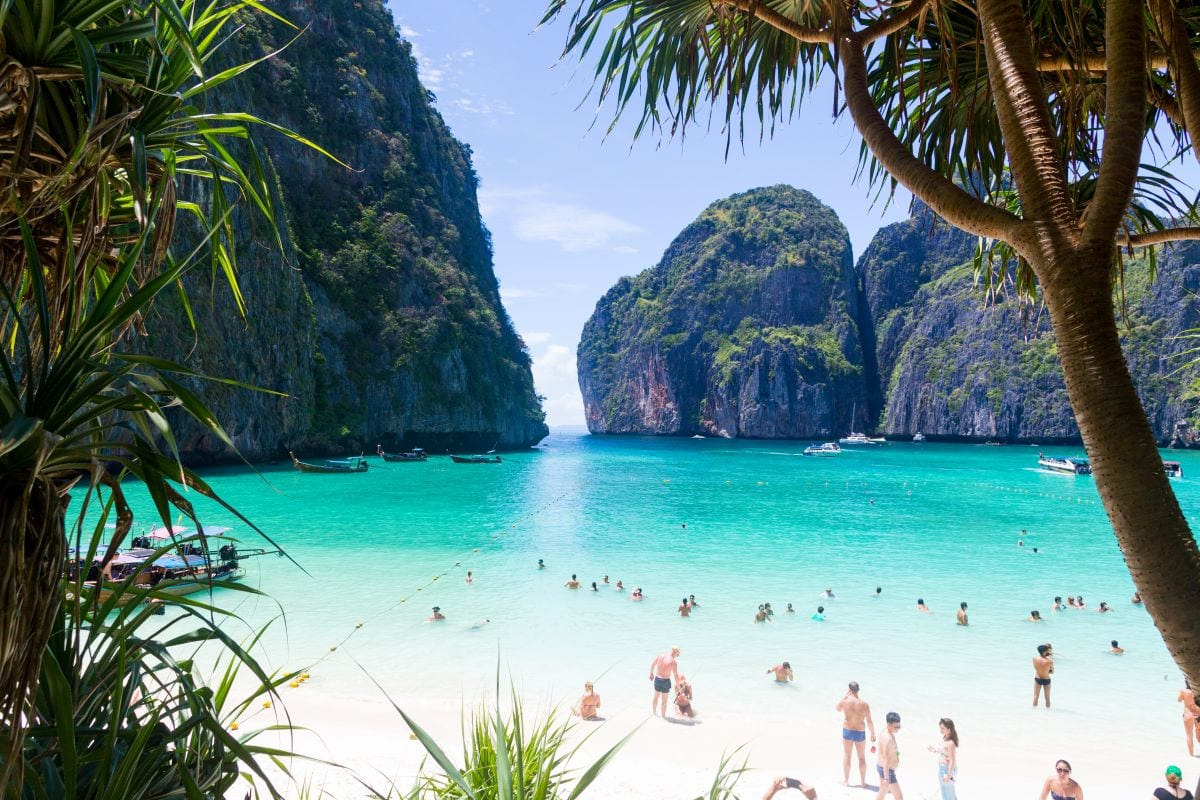
The setting could hardly be more different. Yet the pleasure is familiar.
Both island travel and Himalayan trekking reward people who are willing to slow down. Both make the journey as important as the destination. Both offer the possibility of finding a quieter, more authentic side of a country beyond the obvious highlights.
For travellers who have spent time moving between islands, Nepal can feel like a natural next adventure.
A new kind of island-hopping
The strongest island trips are rarely about ticking off beaches.
They are about movement. A short crossing changes the atmosphere completely. One island may be lively and busy, while the next feels quiet, rural, and almost untouched. Travellers learn quickly that some of the best experiences come from going a little further.
Trekking in Nepal creates that same sense of progression.
Each walking day reveals a new layer of the country. A route may begin beside a fast-flowing river, climb through terraced farmland, pass through pine and rhododendron forest, and finish in a village where the mountains dominate the horizon.
The trail itself becomes part of the reward.

There is a particular satisfaction in reaching a place under your own power. You notice the changes in temperature, the shift in vegetation, the gradual thinning of the air, and the rhythm of life in each settlement along the way.
In a world built around fast connections and crowded itineraries, Nepal encourages a slower approach.
That is part of its appeal.
Nepal is more than Everest
Everest remains Nepal’s most recognisable name, and the region has earned its reputation.
The route towards Base Camp passes through Sherpa communities, Buddhist monasteries, high suspension bridges, and valleys framed by some of the most dramatic mountain scenery on Earth. It is a journey that combines physical challenge with a strong sense of place.
For many travellers, the Everest Base Camp Trek is not simply about standing near the world’s highest mountain. It is about the days spent getting there: morning walks through pine forests, tea breaks in small villages, evenings in mountain lodges, and the gradual awareness that the landscape is becoming bigger than anything seen from a road or airport window.
Yet Nepal’s trekking story extends far beyond Everest.

The Annapurna region offers an entirely different experience. Here, trails move through terraced fields, forests, stone villages, and broad valleys before opening onto high mountain views. Annapurna Base Camp, Poon Hill, and the Annapurna Circuit remain popular because they offer a rich mix of scenery and culture without losing the sense of adventure.
Langtang is another compelling option, particularly for travellers with limited time. Its trails are closer to Kathmandu, but the valleys still feel remote, with Buddhist influence, yak pastures, mountain ridges, and villages shaped by life at altitude.
For those looking for quieter and more remote routes, Manaslu and Tsum Valley offer long walking days, strong cultural identity, and a sense of travelling through a part of Nepal where the mountains still dictate the pace of daily life.
Upper Mustang feels different again. Its dry valleys, ancient cave monasteries, wind-sculpted cliffs, and old settlements create a landscape closer to the Tibetan plateau than the lush hillsides many people associate with Nepal.
The country is not defined by one trail.
It offers journeys for first-time trekkers, experienced hikers, culture-focused travellers, photographers, and anyone seeking a more immersive way to travel.
The mountains are only part of the story

The Himalayas may be the reason people first book a trip to Nepal.
But the people they meet often become the reason they remember it.
Most trekking routes are supported by locally run teahouses. These modest mountain lodges provide meals, accommodation, warmth, and a place to rest after long walking days. They are practical rather than luxurious, but they offer something many modern hotels cannot: connection.
A shared dining room can bring together trekkers from several countries. A lodge owner may explain the weather conditions, describe life during winter, or ask where visitors have travelled from. Children walk home from school along the same trails used by hikers. Porters pass by carrying loads that remind visitors how much work happens behind every successful trek.
These encounters are small, but they shape the experience.
They reveal Nepal not simply as a landscape, but as a living place. The villages are not stops between viewpoints. They are homes, workplaces, cultural centres, and communities built around some of the most demanding terrain in the world.
This is what gives trekking in Nepal its depth.
Altitude changes the way people travel
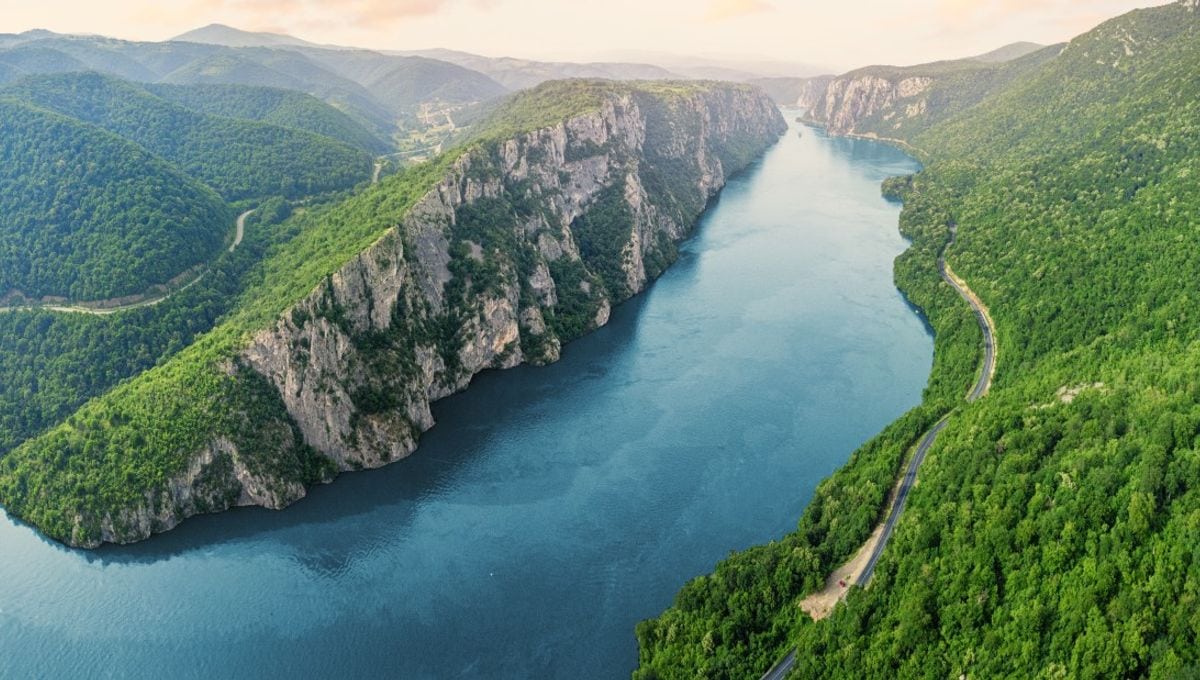
A Himalayan trek is not a beach holiday with better views.
The physical challenge is real. Trails can be steep, weather can shift quickly, and higher elevations require patience. The most important lesson for first-time trekkers is simple: altitude does not reward speed.
A good itinerary allows the body time to adapt.
This means walking steadily rather than rushing, drinking enough water, eating properly, and accepting rest days as part of the experience rather than a delay. On higher routes, acclimatisation is essential. It gives trekkers time to recover, explore nearby viewpoints, and adjust before continuing higher.
This is one of the clearest differences between a rushed holiday and a well-planned journey.
The most memorable trips are rarely the fastest ones. They are the ones that allow people to notice the details: prayer flags moving in the wind, a distant avalanche breaking the silence, tea steaming beside a window, or clouds gathering below the trail in late afternoon.
The Himalayas demand respect, but they also reward it.
Leaving the beach bag behind
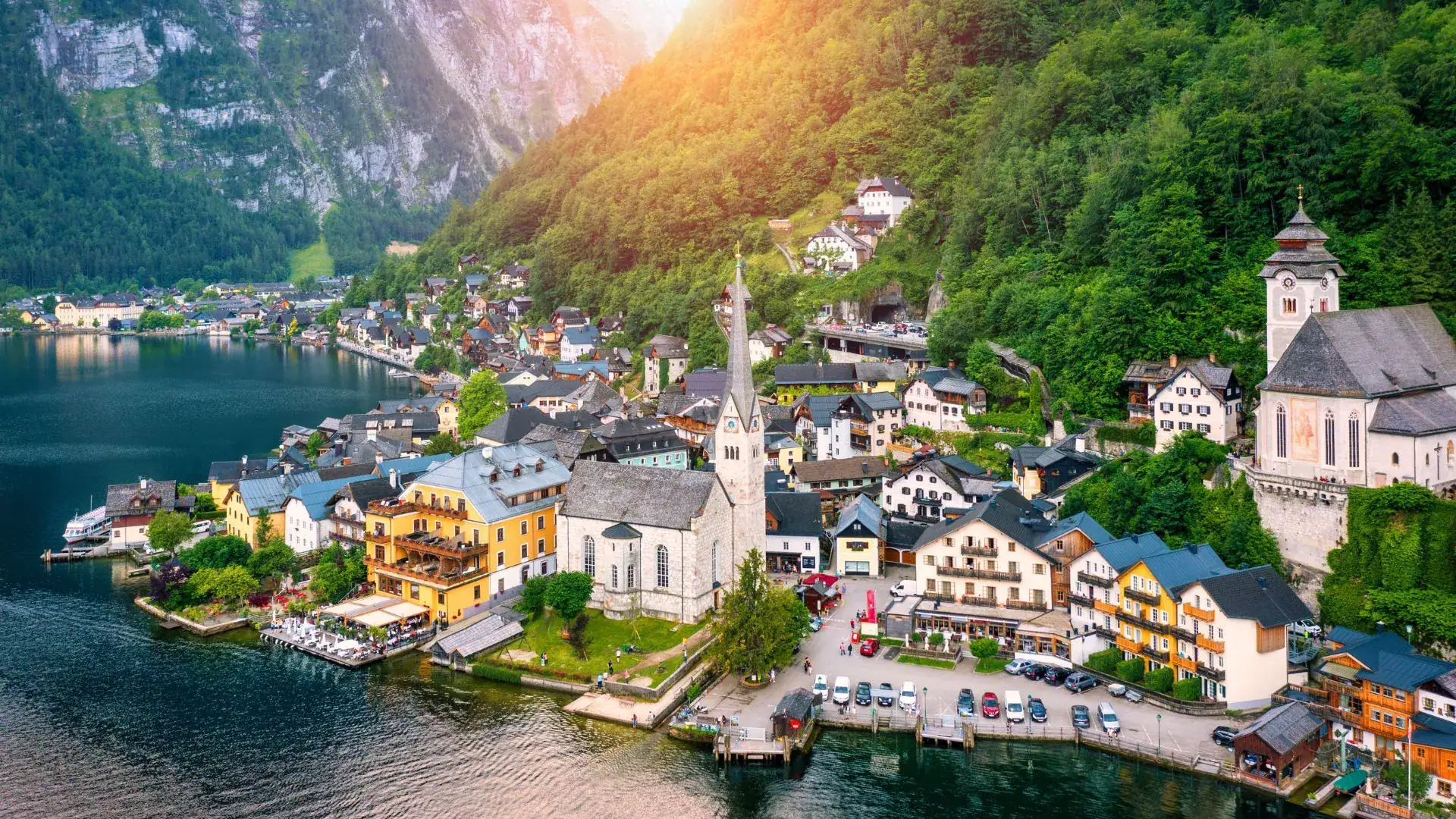
The practical side of trekking requires more preparation than a typical island trip.
Warm layers matter. Good walking boots matter. A waterproof jacket, gloves, sun protection, and a comfortable daypack all become essential once the trail begins to climb.
The contrast can feel dramatic at first.
One week, a traveller may be packing swimwear, sandals, and a light shirt for a tropical coast. The next, they may be checking the weather, arranging trekking poles, and making sure their down jacket is ready for cold mornings in the mountains.
But the preparation becomes part of the anticipation.
There is something memorable about waking before sunrise, pulling on warm layers, and stepping outside to see the first light reach the peaks. There is something equally satisfying about arriving at a mountain lodge after a long day, removing boots, drinking hot tea, and watching the temperature fall as evening settles over the valley.
These are simple moments.
They are also the moments that stay with people.
Travel more carefully, not just more widely
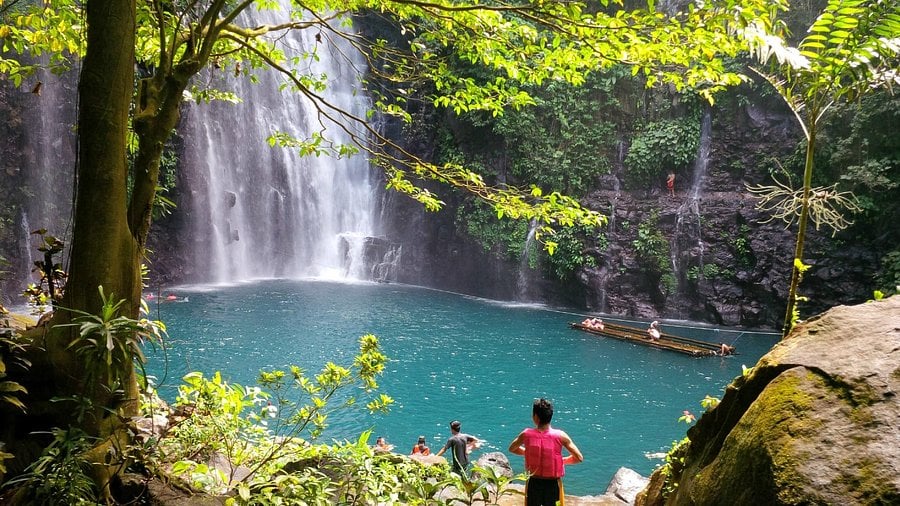
Nepal’s mountain regions depend heavily on tourism, but they also carry the pressures that tourism can bring.
Responsible trekking is not complicated. It begins with basic respect.
Carrying a reusable water bottle helps reduce plastic waste. Choosing locally run lodges supports village economies. Dressing modestly near monasteries and religious sites shows awareness of local culture. Taking rubbish back from remote trails protects places that do not have extensive waste-management systems.
It also matters to recognise the people who make trekking possible.
Guides, porters, lodge owners, drivers, cooks, and local staff often shape the experience in ways travellers do not fully understand until they are on the trail. Their knowledge of weather, routes, villages, and mountain conditions can make an enormous difference.
The most responsible travellers do not see the Himalayas as a backdrop.
They see them as a place where people live, work, raise families, and preserve traditions under difficult conditions.
That perspective changes the journey.
The next horizon may be higher
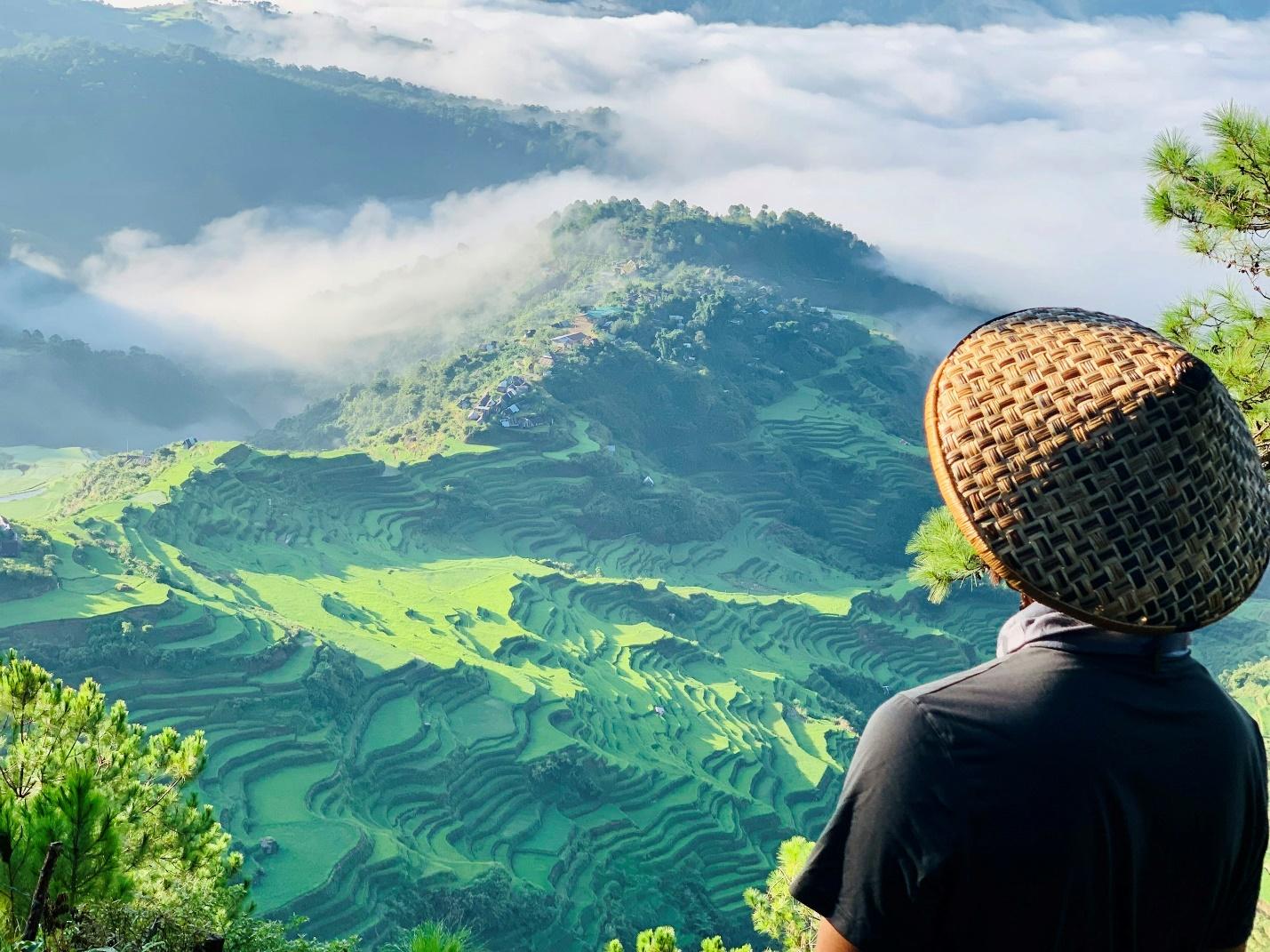
Island hopping teaches travellers to follow the coastline.
Nepal invites them to follow the trail.
The journey may begin in Kathmandu, but it quickly moves into a different world of mountain villages, prayer flags, narrow footpaths, rushing rivers, and long views that make everyday concerns feel smaller.
It is a more physical form of travel. It can be uncomfortable at times. It requires preparation, flexibility, and patience.
But it also creates a rare sense of achievement.
For travellers ready to exchange ferry decks for footbridges and beaches for high mountain ridges, Nepal offers an adventure that feels both challenging and deeply rewarding.
The sea may be behind them.
The sense of discovery remains exactly the same.
Author bio
Nepal Hiking Team is a Kathmandu-based trekking company arranging guided journeys across Nepal’s Everest, Annapurna, Langtang, Manaslu, and Mustang regions.
Home » Various » travel »You may also like:

Philippines private adventure tours and packages

International Driving in the Philippines

Exploring the Silk Road: A Journey Through China’s History and Culture

Discover the Heart of the Philippines: A Dive into Filipino Culture and Tradition

Why a Luxury Villa in St. John is the Best Choice for Honeymooners

Safari on a Budget: How To Experience the Best of South Africa Without Breaking the Bank

We are a family operation managing private custom boat tours in the beautiful Palawan area, and are happy to help travelers with their plans through the country, having traveled a lot of it ourselves and planning to visit it all.