Traveling Through Central Europe: A Journey Through Europe’s Heart
Central Europe does not announce itself loudly. It does not rely on postcard clichés or oversized landmarks competing for attention. Instead, it unfolds slowly—through river bends, market squares, border towns where languages blur, and cities that learned how to rebuild without erasing memory.
Traveling here feels less like ticking destinations off a list and more like tracing a long, continuous story written across water, stone, and everyday life.
This is a region where distances are short but contrasts are sharp. In one week, you can move from Baroque Vienna to post-industrial Ostrava, from vineyard-covered riverbanks in Austria to medieval spires in the Czech Republic, without ever feeling rushed. Central Europe rewards patience, curiosity, and travelers willing to linger.
Why Central Europe Feels Different
There is a practical reason Central Europe works so well for travelers: infrastructure. Trains run on time more often than not, borders are largely invisible, and even smaller cities are well-connected. But the deeper reason is historical density. Empires rose and fell here. Trade routes crossed. Rivers dictated settlement patterns long before highways did.
Walk through a city like Bratislava and you will feel it immediately—Habsburg façades, socialist-era housing blocks, and modern glass offices sharing the same skyline. Nothing is neatly packaged. That tension is part of the appeal.
Before breaking down specific countries and routes, it’s worth understanding how geography quietly shapes the experience, especially when water becomes your guide.
Rivers as the Backbone of Travel
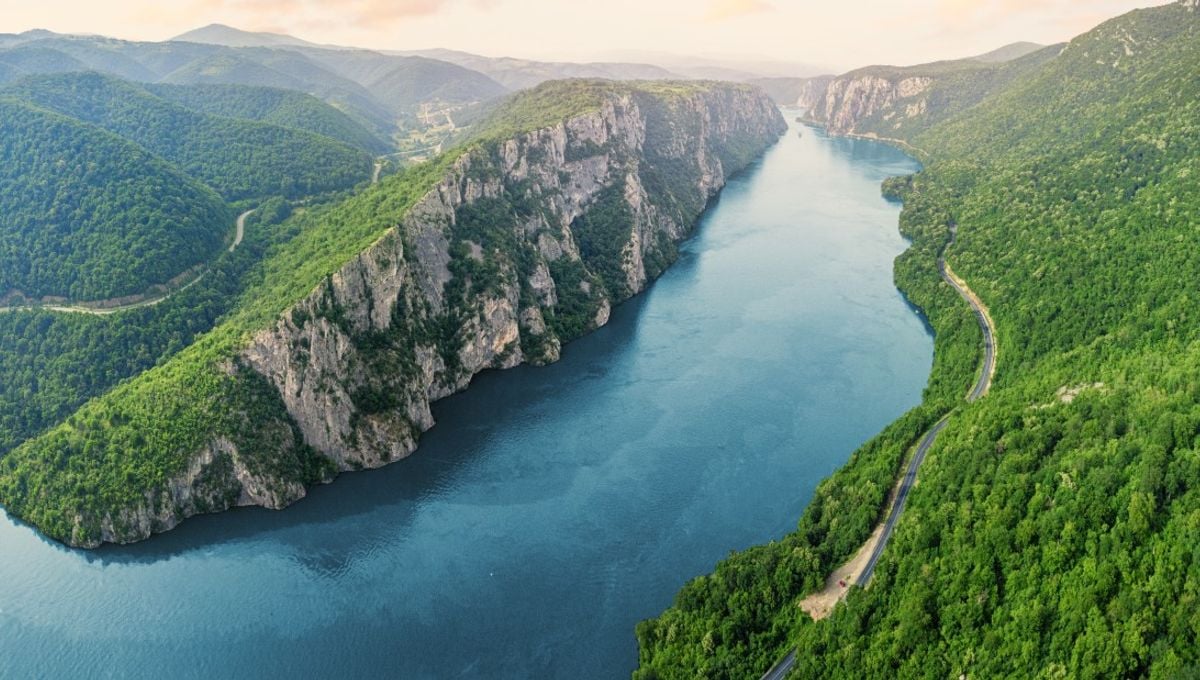
Long before low-cost airlines and rail passes, Central Europe moved along rivers. The Danube, the Elbe, and the Vltava were commercial arteries, cultural borders, and political lifelines. Today, they offer one of the most immersive ways to move through the region.
River travel changes the rhythm. Cities approach gradually. Countryside stretches out between stops. You see how settlements relate to water rather than roads.
The Danube: More Than a Line on the Map
The Danube is impossible to separate from Central Europe’s identity. Flowing from Germany’s Black Forest toward the Black Sea, it passes directly through or alongside Austria, Slovakia, Hungary, and beyond. Vienna, Bratislava, and Budapest all grew because of it, not in spite of it.
Traveling along the Danube by river reveals details you miss by train: terraced vineyards in the Wachau Valley, small ferry crossings still used by locals, floodplain forests protected as natural reserves. Stops are rarely rushed. You dock close to historic centers, not industrial outskirts.
Why River Cruises Work So Well Here
River cruises in Central Europe are not about luxury for its own sake, though comfort is certainly part of the appeal. They work because distances are human-scaled. A morning sail might take you from Melk Abbey to Dürnstein, both unreachable by major airports but central to understanding Austrian history.
You unpack once, move through multiple countries, and spend evenings docked within walking distance of town squares. For travelers who want depth without logistical fatigue, this is arguably the most efficient way to experience the region.
Austria: Order, Culture, and Quiet Grandeur
Austria often feels like the anchor of Central Europe—structured, self-assured, and deeply cultural. It is easy to reduce it to Vienna alone, but that misses half the story.
Vienna deserves time, not just highlights. Neighborhoods like Leopoldstadt and Neubau reveal everyday life beyond imperial palaces. Coffeehouses still function as informal offices and debate rooms. Locals linger, read newspapers, argue politics.
Outside Vienna, Austria slows down further.
Wachau Valley: Vineyards and Stone Villages
Between Melk and Krems, the Danube cuts through the Wachau Valley, a UNESCO-listed stretch known for Riesling vineyards and fortified hill towns. This is one of the clearest examples of how river travel enhances understanding. From the water, you see how villages cling to slopes, how churches double as landmarks for boats, how agriculture and transport evolved together.
Dürnstein’s blue church tower is famous, but nearby Spitz and Weißenkirchen offer quieter, equally rewarding stops.
Salzburg Beyond Mozart
Salzburg’s old town is compact and undeniably beautiful, but its appeal extends into the surrounding Salzkammergut region. Lakes like Wolfgangsee and Mondsee were summer retreats long before tourism branding existed. Even today, locals swim, sail, and hike here in ways that feel refreshingly uncurated.
Czech Republic: Layers, Not Just Prague
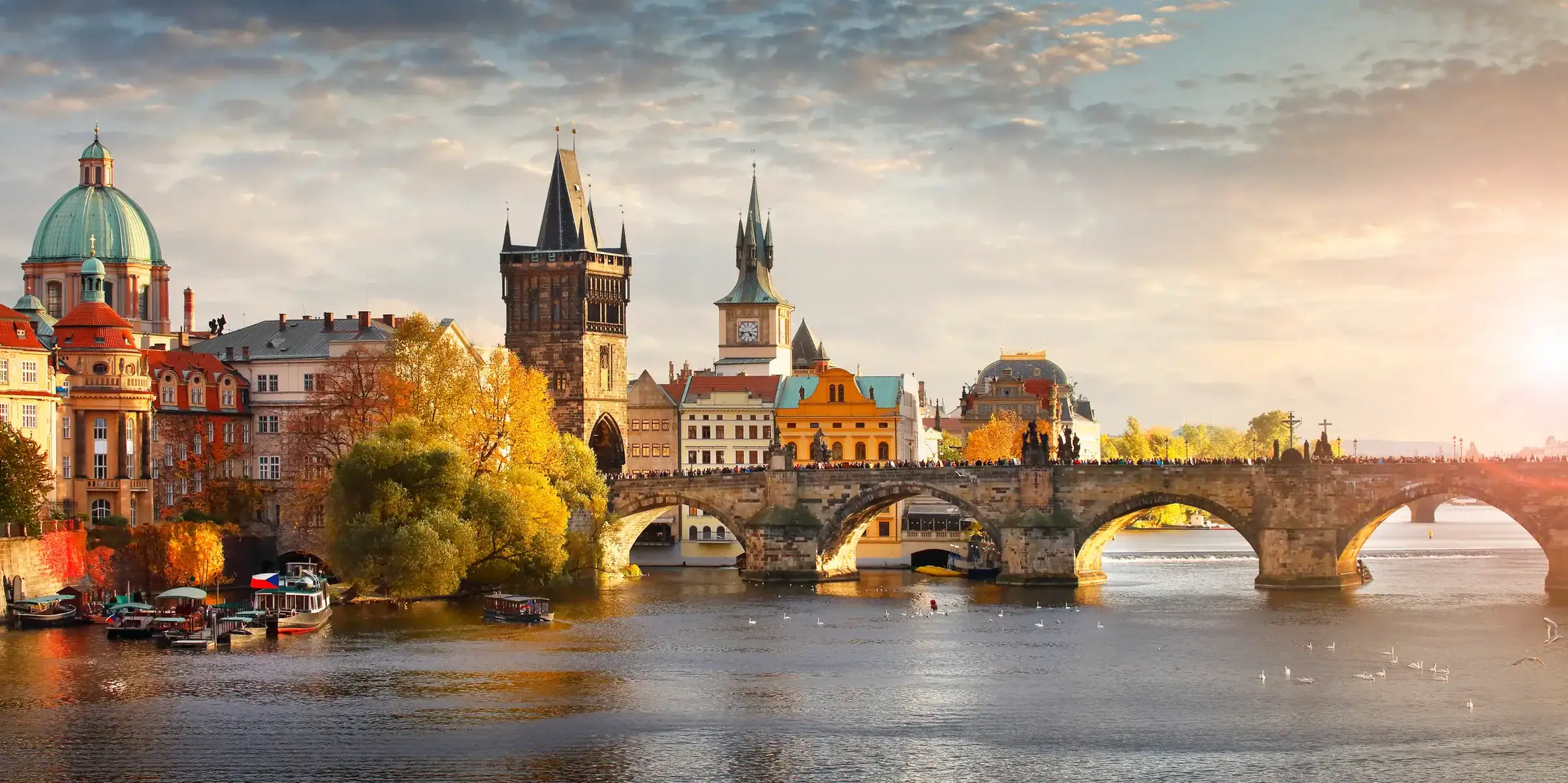
Prague absorbs most attention, and understandably so. Its historic center survived wars that flattened much of Europe. Yet limiting the Czech Republic to Prague is like reading only the introduction of a long novel.
Prague: A City That Lives After Dark
Prague’s charm changes after sunset. Day-trippers leave. Neighborhood pubs fill with locals. Jazz clubs operate in basements older than many countries. The Vltava River reflects the city’s bridges, each from a different era.
Walking along the riverbanks at night reveals Prague’s quieter side—less spectacle, more atmosphere.
Český Krumlov and the South Bohemian Route
South Bohemia feels almost pastoral compared to Prague. Český Krumlov’s castle loops around the Vltava in dramatic curves, but nearby towns like Třeboň and Telč offer Renaissance squares without crowds. This region connects naturally to Austria, both culturally and geographically, making it ideal for slow cross-border travel.
Slovakia: Small Country, Sharp Character
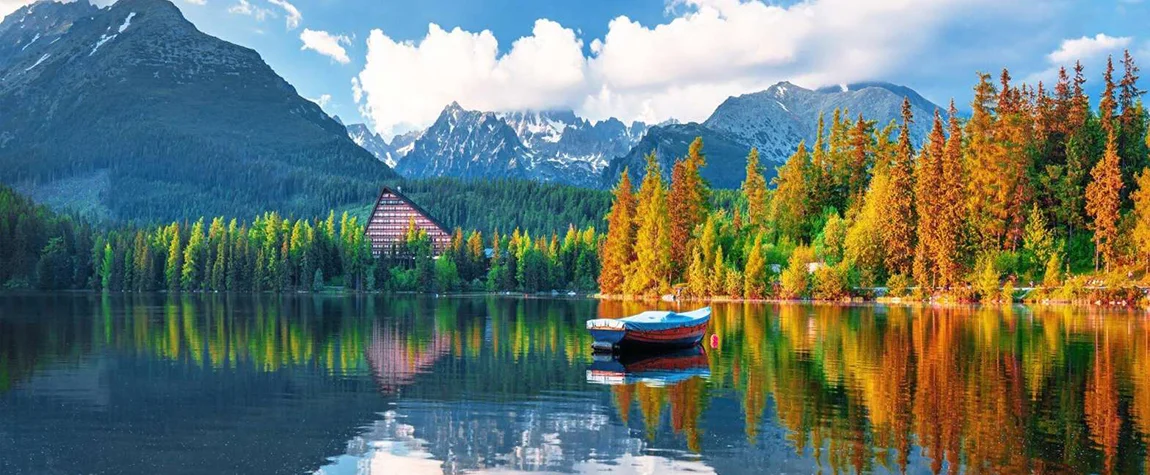
Slovakia is often passed through rather than visited, which is a mistake. Its compact size hides dramatic variation.
Bratislava sits less than an hour from Vienna, yet feels distinctly different. Its old town is modest, almost self-effacing, while Soviet-era housing estates remind visitors of recent history. The Danube here is wide and powerful, less decorative than in Austria, more industrial.
Outside the capital, Slovakia turns mountainous quickly.
The High Tatras: Vertical Europe
The High Tatras form a natural border with Poland and offer alpine landscapes without Swiss price tags. Cable cars, hiking trails, and traditional mountain villages like Štrbské Pleso show another face of Central Europe—less imperial, more rugged.
Hungary: Grandeur and Grit Along the Danube
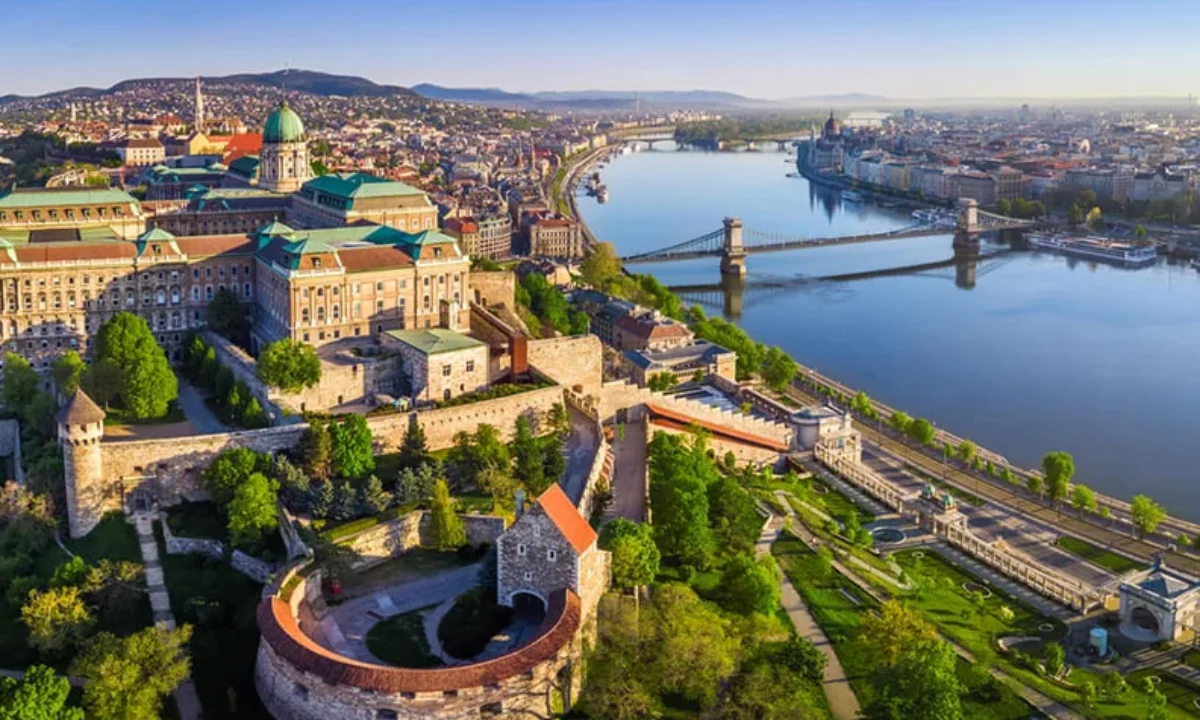
Budapest is often described as Paris of the East, but the comparison sells it short. The city’s identity comes from contrast rather than elegance alone.
Buda’s hills and Pest’s flat boulevards face each other across the Danube, connected by bridges that are landmarks in their own right. Thermal baths built during Ottoman rule still operate daily, blending leisure with history.
Budapest by Water
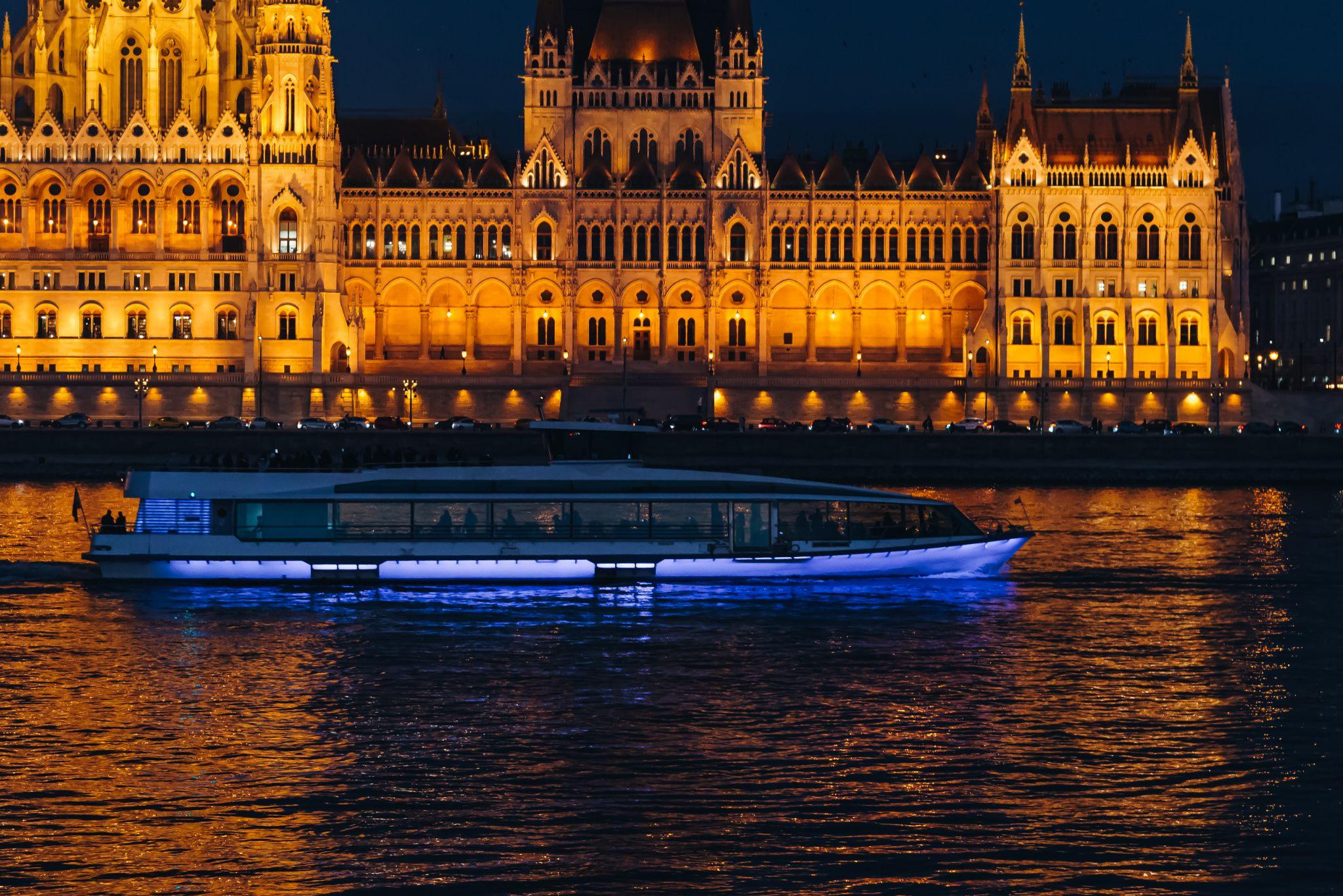
Seeing Budapest from the river is not optional—it’s essential. Parliament, Buda Castle, and Gellért Hill align perfectly from the Danube’s perspective. Evening cruises reveal why the city invested so heavily in river-facing architecture. It was meant to be seen this way.
Beyond the Capital: Pécs and Eger
Southern and northern Hungary offer smaller cities with strong identities. Pécs carries Roman ruins and Ottoman mosques alongside cafés filled with university students. Eger is known for wine cellars carved into hillsides and a fortress tied to national legend.
Practical Routes That Make Sense
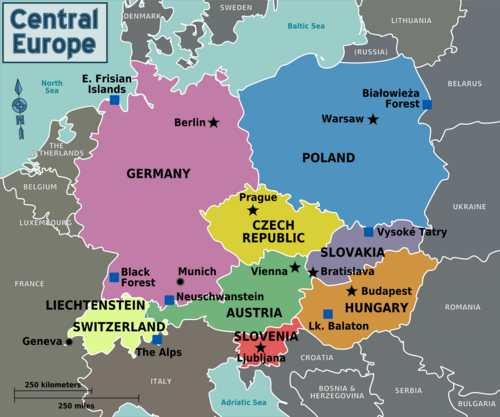
Central Europe rewards logical sequencing. Vienna–Bratislava–Budapest is one of Europe’s most efficient travel corridors, accessible by train, boat, or road. Prague pairs naturally with Dresden and Berlin to the north, or with southern Bohemia and Austria to the south.
River routes work best when combined with short rail journeys, allowing deeper exploration without backtracking.
Traveling Slowly Without Missing Anything

The temptation in Central Europe is to do too much. Cities are close, schedules are manageable, and highlights feel endless. But the region reveals itself between attractions—on tram rides, in bakeries, along river promenades.
River cruising encourages this mindset naturally, but even land-based travel benefits from restraint. Fewer cities, more time. Fewer checklists, more observation.
Central Europe is not about spectacle. It’s about continuity. Empires faded, borders shifted, languages overlapped, yet daily life persisted. Traveling through Europe’s heart means learning to notice that persistence—and letting the journey unfold at its own pace.
Home » Various » Guest posts »You may also like:

We are a family operation managing private custom boat tours in the beautiful Palawan area, and are happy to help travelers with their plans through the country, having traveled a lot of it ourselves and planning to visit it all.